

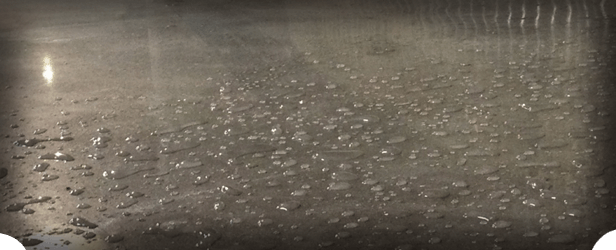
Polished concrete is porous. Without a sealer, the surface is exposed to harmful materials and potential damage. There are three sealer types to consider for long-term floor protection. Those are penetrating, semi-penetrating, and topical sealers. This guide will help you narrow down the best sealer for your polished concrete.
What Is the Best Sealant for Polished Concrete?
Selecting the optimum sealer for polished concrete ensures its longevity. Each of these sealants is designed to meet specific protective needs and environmental conditions.
- L&M Lumiseal FX: Best for high-gloss decorative finishes. This water-based sealer offers a non-yellowing finish and is resistant to blushing and whitening. It’s suitable for interior and exterior surfaces. It also provides excellent resistance to stains and abrasion. Can be used as a topcoat on densified, polished concrete to enhance stain resistance.
- Ameripolish SR2 Solvent-Based Stain Resistor: Best for color-sensitive polished concrete. This sealer is designed for high penetration and provides superior stain protection on polished concrete. It repels water and oil, minimizing surface erosion and chloride penetration. So, it’s ideal for dense, color-sensitive surfaces.
- L&M Aquapel Plus: Best for exterior surfaces or surfaces with moisture exposure. This is a reactive, waterborne silane-siloxane sealer that chemically bonds with concrete. It creates a surface that’s highly resistant to moisture and salt, which is beneficial for traffic-bearing exterior concrete surfaces. This sealant helps provide long-lasting protection without changing the appearance of the concrete.
- Metzger/McGuire RS 65 Polyurethane Concrete Joint Sealant: Best for joint protection in commercial and retail concrete floors. The RS 65 is a two-component polyurea joint filler. It’s intended for contraction and construction joints in polished and exposed concrete floors. It sets fast and easily handles pedestrian and cart traffic.
Each product has specific characteristics that suit different environments and wear conditions.
How to Choose a Polished Concrete Floor Sealer
Knowing the environmental details (like foot traffic volume) and finish preference will help direct you to the right concrete floor sealer.
| Environment | Finish Goal | Best Sealer Type | Products |
| Commercial showroom/retail flooring | High gloss | Topical | Lumiseal FX |
| Office/light commercial | Moderate sheen | Semi-penetrating (guard) | Guard products |
| Warehouse/industrial/food service | Invisible protection | Penetrating | SR2, Aquapel Plus |
| Outdoor/moisture or salt exposure | Invisible protection | Silane-siloxane penetrating | Aquapel Plus |
Expert tip: Penetrating sealers typically last longer between reapplications. Topical types tend to wear faster under heavy traffic and will need refreshing more often.
3 Types of Polished Concrete Sealers
1. Penetrating Sealers
These are made from a variety of silicones (silane, siloxane, silicate, and silicone) that penetrate deep into the surface. By sealing the access channels into the interior of the concrete, they shield against liquid infiltration.
These products are a good option for outdoor surfaces because they allow the concrete to breathe. They also provide invisible protection to the flooring, ideal for industrial facilities that want to avoid frequent applications.
Since these sealers are not a topical layer, they do not alter the surface appearance by creating additional gloss or sheen. Additionally, foot traffic does not wear it down.
However, penetrating sealers can break down over time and will need reapplication periodically. To apply this type of seal, use a sprayer and microfiber. Penetrating sealers also do not add gloss to the surface.
2. Semi-Penetrating Sealers
These sealers are often known as guard products. They are appropriately between penetrating and topical sealers due to their light sheen and stain resistance without forming surface film. In addition to stain resistance, guard sealers repel water and provide outdoor/indoor flexibility.
Semi-penetrating sealers are ideal for indoor and outdoor concrete and are applied with a sprayer and microfiber. Note: they wear faster than polyurethane and epoxy and should be reapplied, depending on the amount of foot traffic.
3. Topical Sealers
Polyurethane and epoxy, for example, give the concrete a high-gloss shine while forming a protective film on the surface. These sealants are economical and easy to apply by spray or roller. They repel water and provide a durable, chemical- and abrasive-resistant surface.
These are ideal for retail spaces where the flooring’s vibrant color and high sheen are essential design aspects. Due to traffic wear, you’ll need to reapply periodically, and some may turn yellow due to UV exposure.
To prevent stains and scuffs, regular maintenance is required to keep the surface looking its best.
Does Polished Concrete Need a Sealer?
The porosity of concrete means it is naturally vulnerable to moisture, stains, and chemical damage, which can degrade its appearance and structural integrity over time. Sealing polished concrete is highly advisable to enhance its resilience. A sealer is a barrier that enhances stain resistance and extends the floor’s longevity.
Why Sealed Floors Perform Better
For environments like commercial kitchens or industrial settings, a robust sealer can prevent the penetration of oils, chemicals, and water. Commercial stakeholders also find that sealed concrete is simple to maintain.
Cleaning is easier in garages or warehouses, since the sealer creates a smoother surface that does not trap dirt or moisture. This protection is particularly beneficial where hygiene and cleanliness are essential, as in food preparation areas.
While polished concrete is durable, applying a sealer can significantly enhance its performance and aesthetics. Sealed concrete stands up better to daily wear and tear. It maintains its gloss and appearance for longer, making it a wise investment for any high-traffic or specialized environment.
The right sealer can make all the difference in the lifespan of a polished concrete floor.
Applying and Maintaining Your Sealer
Make sure the surface is clean and fully cured, then:
- Apply penetrating and guard sealers by sprayer, and then spread with a microfiber. Wipe off the excess, then let the sealer penetrate.
- Apply a topical sealer by roller or sprayer. For a more even bond, it’s best to use two thin coats rather than one thick coat.
Sealed Floor Maintenance
- Sweep or dust mop the floors regularly to keep abrasive materials off the surface.
- Clean with a pH-neutral cleaner rather than acidic or chemical-heavy cleaners.
- Reapply depending on the traffic. You can expect penetrating sealers to last about 1 to 3 years depending on the application or industry. Topical sealers need refreshing once the gloss dulls.
- A dull spot on the floor is a good sign it’s time to reseal.
When to Use Burnishing and Burnishers
A flooring burnisher (or burnishing machine) is an abrasive machine that cleans and polishes the topmost layer of sealed concrete to give it a shiny look. You can commonly find floor burnishers in manufacturing plants, distribution warehouses, or anywhere with a well-maintained concrete floor.
If you overapply a sealer and need to remove a leftover haze or film, use a burnishing tool with a high-grit polishing pad to enhance gloss after reapplying the sealer or guard. The diamond-impregnated pad, in conjunction with a burnisher, will also eliminate the excess.
For tailored advice on selecting and applying the right sealer for your specific project needs, don’t hesitate to contact the expert team at Runyon Surface Prep.