

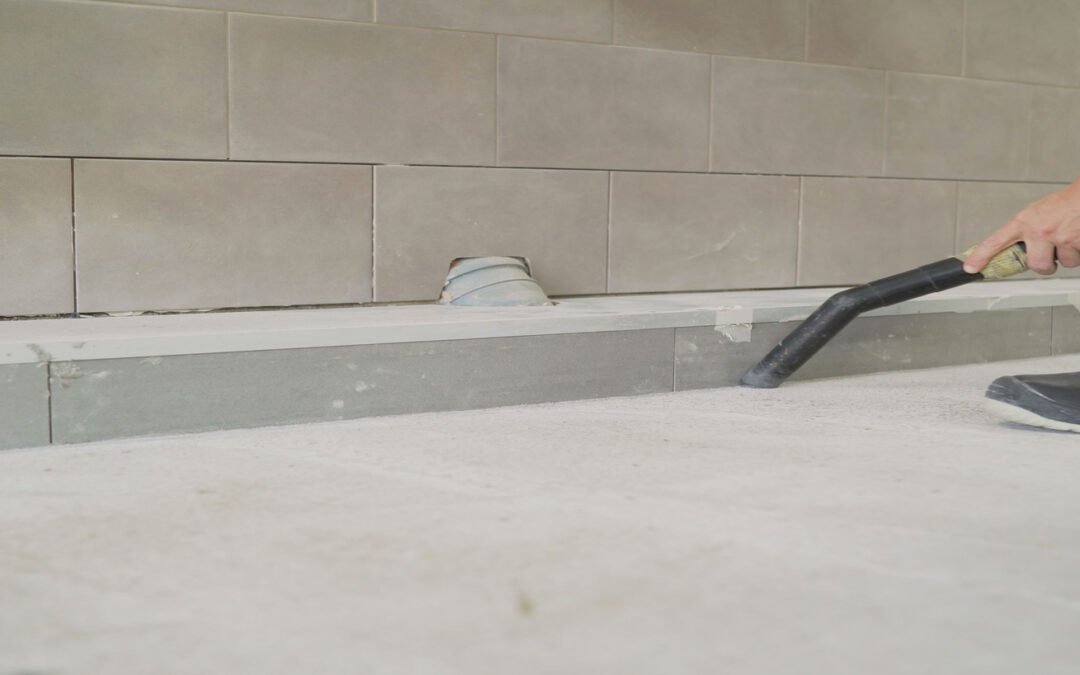
Managing concrete dust in concrete surface jobs requires careful planning. Concrete dust not only poses severe health risks but can also lead to costly OSHA penalties. Learning to control dust when grinding concrete is essential for safety, compliance, and efficiency.
Why It’s Important
Grinding concrete is one of the highest-risk activities for silica exposure due to its abrasive nature.
Crystalline silica, the mineral found in the makeup of concrete, is a widely known hazard for concrete construction workers. As such, workers and managers must take measures to ensure the safety of those involved in any concrete project.
This is especially true for industries like concrete surface prep, where abrasive machinery breaks up and grinds away concrete, releasing the powdery silica.
OSHA Silica Standard & Your Concrete Project
So, what are the standards set by OSHA for concrete construction work? First, understand that silica particles pose a great risk to unprotected workers. Silica has been linked to lung cancer, pulmonary disease, and kidney disease and is the cause of silicosis–an incurable disease.
For this reason, OSHA has required employers to take proper precautions.
Primarily, these standards involve limiting worker exposure to hazardous particles. For example, actively using handheld power saws on concrete or brick for four or more hours indoors requires using an APF 10 respirator.
OSHA also requires that:
- Employers establish a written exposure control plan
- Assign the appropriate manager or supervisor to implement the control plan
- Limit cleaning measures that involve excessive silica exposure
- Offer medical exams
- Train workers on silica-related safety and dangers
- Maintain records of any exposure or related events
Staying compliant with OSHA standards not only protects your workers but also keeps your projects running smoothly. The best way to manage concrete dust is by following these standards and pairing your control plan with adequate housekeeping practices.
How Much Exposure to Concrete Dust Is Dangerous?
Even small amounts of crystalline silica dust can be hazardous. OSHA has set the permissible exposure limit (PEL) for silica dust at 50 micrograms per cubic meter of air averaged over an 8-hour workday.
But, repeated exposure over time–even at lower levels–can lead to severe health risks. Frequent exposure to concrete dust without proper safeguards, such as respirators or dust collectors, can be extremely hazardous. It significantly increases the risk of developing silicosis or other serious respiratory illnesses.
If you’re unsure about exposure levels in your workspace, consider using an air monitoring device or consulting an industrial hygienist to measure particulate concentration.
What to Do If You Inhale Concrete Dust
Exposure to concrete dust can cause choking, difficulty breathing, and irritation to the eyes and nose. Most serious conditions related to silica will develop from consistent dust inhalation from everyday work. If you have inhaled excessive amounts of dust or if you work with concrete dust regularly (especially if you do not actively use your respirator), you should:
- Schedule a medical examination
- Get a chest X-ray
- Request a pulmonary function test
Employers should have resources ready and be prepared to assist workers in scheduling medical exams with the company physician.
How Do You Protect Yourself from Concrete Dust?
Protecting yourself from concrete dust requires proper personal protective equipment (PPE), dust management practices, and training. Here are key steps you can take:
- Use a respirator: OSHA recommends an APF 10 or higher respirator for high-dust environments.
- Invest in proper ventilation: Keep your workspace well-ventilated to reduce dust concentration in the air.
- Wear protective clothing: Long-sleeved shirts and gloves can minimize skin contact with concrete dust.
- Follow housekeeping protocols: Regularly clean up concrete dust using appropriate methods such as HEPA vacuums or wet sweeping to avoid raising particles into the air.
By following these steps, you not only protect yourself but also create a safer working environment for your team.
Dust Collectors for Crystalline Silica Extraction
Proper silica dust extraction starts with having the right tools to get the job done. Dust extractors and concrete dust vacuums must be built to collect and contain hazardous silica dust on minuscule levels.
Power and longevity are also important. As you do your research, ask yourself:
- Will I need my machine to run continuously or just a few times per day?
- Will I need something portable for transportation?
- What about heavy-duty vacs?
Most dust collector providers can help you find these answers.
.But before you contact anyone, you’ll want to learn about the importance of HEPA filters.
How Do You Control Concrete Dust?
Controlling concrete dust requires proactive measures to reduce dust at its source. Here are some effective ways to control it:
- Use wet methods: Wetting the surface while grinding concrete significantly reduces airborne dust.
- Invest in HEPA-filter vacuums: These vacuums trap particles as small as 0.3 microns, ensuring effective dust removal.
- Upgrade to high-efficiency equipment: Opt for modern grinders and extractors designed to minimize dust output.
- Train your team: Ensure workers know how to safely operate dust collection systems and understand the risks of silica exposure.
Implementing these methods will help reduce dust and improve compliance with OSHA silica standards.
HEPA Filter Vacuums
For those who don’t know, HEPA stands for High-Efficiency Particulate Air. Filters with HEPA capabilities can remove 99.97% or more of dust and other airborne particles (.3 microns or smaller in some cases).
Most industrial vacuums and dust collectors include filters, but not all are built equally. Some have a different purpose, interacting with the particles and the air for optimal trapping.
Wet Polishing: A Key Step to Control Dust When Grinding Concrete
Alternatively, you can wet polish your concrete surface to reduce the amount of silica dust exposure. Wet polishing involves using water to manage the effects of concrete abrasion. The particles, in other words, become washed up in the liquid rather than suspended in the air and pose a danger.
Until the early ‘90s, wet polishing was the standard polishing method across the industry. If you decide to use the wet polishing method, note that you’ll have to implement adequate slurry management practices for disposal.
By implementing these measures and investing in proper equipment, you can control dust when grinding concrete, protect your team, and meet OSHA standards.