

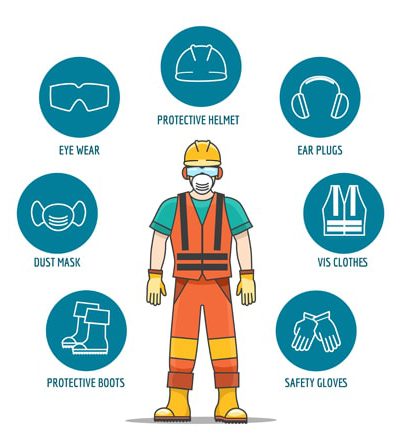
In over a dozen years in the construction industry, we have witnessed first-hand the importance of personal protective equipment (PPE) on countless occasions. Whether it was minor incidents that could have led to severe injuries if not for proper PPE equipment or cases where serious injuries occurred due to a lack of it, the need for PPE is undeniable.
The value of PPE becomes most evident in high-risk scenarios, like working at great heights, in confined spaces, or when dealing with hazardous chemicals. In these environments, a single mistake or the absence of proper equipment can mean the difference between a minor scare and a life-threatening injury.
While protective garments and equipment can sometimes feel uncomfortable or inconvenient, proper personal protective equipment can prevent life-altering or even life-ending injuries.
What Is PPE?
Personal protective equipment includes any gear or clothing worn to minimize exposure to hazards that can cause injuries or illness in the workplace.
Common examples include:
- Hard hats
- Gloves
- Safety glasses
- Earplugs
- Protective footwear
PPE goes beyond physical protection to include respiratory devices, such as masks or respirators, that help prevent workers from inhaling harmful dust, chemicals, and airborne pathogens.
For workers in healthcare, sanitation, and construction industries, the right respiratory PPE can dramatically reduce the risk of developing respiratory conditions over time.
Personal protective equipment is essential in environments like construction, where workers are regularly exposed to potential dangers such as falling debris, sharp objects, or harmful chemicals.
However, the scope of PPE is not limited to construction sites.
Other industries like manufacturing, mining, concrete polishing, and even food processing also require workers to wear specific forms of PPE tailored to the unique hazards in those fields.
Personal Protective Equipment List Example
Here’s a basic list of the most common types of proper protective equipment used across industries:
- Hard hats for head protection
- Safety glasses or goggles for eye protection
- Earplugs or earmuffs for hearing protection
- Gloves for hand safety
- Respirators for breathing protection in hazardous environments
- Protective footwear such as steel-toe boots
- Full-body suits for chemical or biohazard safety
Different job roles within the same industry may require variations of PPE.
For example, while a construction worker may only need hard hats and steel-toe boots, a worker handling chemicals or operating heavy machinery may require additional items like chemical-resistant gloves or specific respirators.
Choosing the right PPE depends on the risks inherent to each task.
Why Is PPE Important in the Workplace?
When working with concrete surface preparation, proper PPE is essential during concrete buildup removal and dust management.
In environments where there is regular exposure to sharp objects, electrical hazards, or even extreme temperatures, PPE helps mitigate the risks that cannot be controlled through other means. This is crucial in maintaining workplace safety and reducing accidents caused by unforeseen circumstances, such as sudden equipment malfunctions or structural failures.
Inadequate use or improper maintenance of proper PPE equipment significantly increases the risk of workplace accidents, leading to serious injuries, lost time, and increased costs. Improperly maintained PPE can sometimes create additional hazards.
For example, a cracked hard hat may give a false sense of security but may not provide adequate protection in case of an impact. Regular inspection and timely replacement of worn-out PPE are just as important as wearing the right equipment.
Statistics from OSHA and the Bureau of Labor Statistics illustrate how often injuries occur due to insufficient use of PPE:
- Only 16% of workers who sustained head injuries were wearing hard hats, even though almost half were required to wear them.
- 1% of face injury victims were wearing face protection.
- Only 23% of foot injury victims had protective footwear.
- About 40% of workers with eye injuries were not using protective eyewear.
These figures highlight the importance of personal protective equipment on the job site, where workers face life-threatening risks daily. They also emphasize the need for continuous education on PPE usage. Workers need to understand that wearing PPE is not just a compliance requirement but a vital element of their personal safety.
Expanding PPE Knowledge and Resources
It’s not just about wearing PPE but ensuring workers understand how to use it correctly. Proper training on the correct application of PPE can make a world of difference. Training programs should cover how to wear each piece of equipment, when to use it, and how to inspect it for defects. Workers must also be trained to understand the limitations of PPE.
While PPE reduces risk, it does not eliminate it entirely.
For example, head protection is evolving. The ANZI Type II safety helmet is a new generation of PPE designed to offer advanced protection. This next-generation helmet is specifically designed to protect workers from multiple impact points, making it a superior option in environments where falling debris or head collisions are common.
In addition, for those in need of PPE and contractor supplies, Runyon Surface Prep provides a wide variety of contractor essentials to ensure that your team is properly equipped.
Situational Awareness and Safe Operating Procedures
While PPE is essential, it’s equally important to maintain situational awareness and follow safe operating procedures. Knowing what’s happening around you and anticipating potential hazards is critical to safety on any job site.
No amount of protective equipment will prevent injury if workers are not paying attention or if shortcuts are taken for convenience. As the saying goes, “Play stupid games, win stupid prizes.” Encouraging a culture of safety, where workers feel empowered to take their time and make safe decisions, goes a long way in preventing unnecessary accidents.
Keeping Up with Safety Standards
Safety standards and PPE guidelines are constantly evolving. Regulatory bodies like OSHA regularly update their recommendations based on new research, emerging hazards, and technological advancements in safety equipment.
Recent changes to OSHA regulations have included stricter guidelines on respiratory protection in environments where silica dust or other airborne contaminants are prevalent.
Staying informed about the latest requirements from OSHA and other regulatory bodies is crucial. For more detailed information on the importance of PPE and to explore updated safety resources, download the OSHA PPE fact sheet.
Prioritizing Safety Through Proper PPE
Ensuring the proper use of personal protective equipment is a vital part of workplace safety. By investing in the right gear and educating workers on its proper use, you can reduce the risk of injury and maintain a safer work environment.
The savings from reduced injury-related costs, such as medical bills, worker compensation claims, and lost productivity, far outweigh the initial cost of purchasing high-quality PPE.
Before starting any surface prep project, review our surface profile inspection guide and ensure you have the essential surface prep equipment.